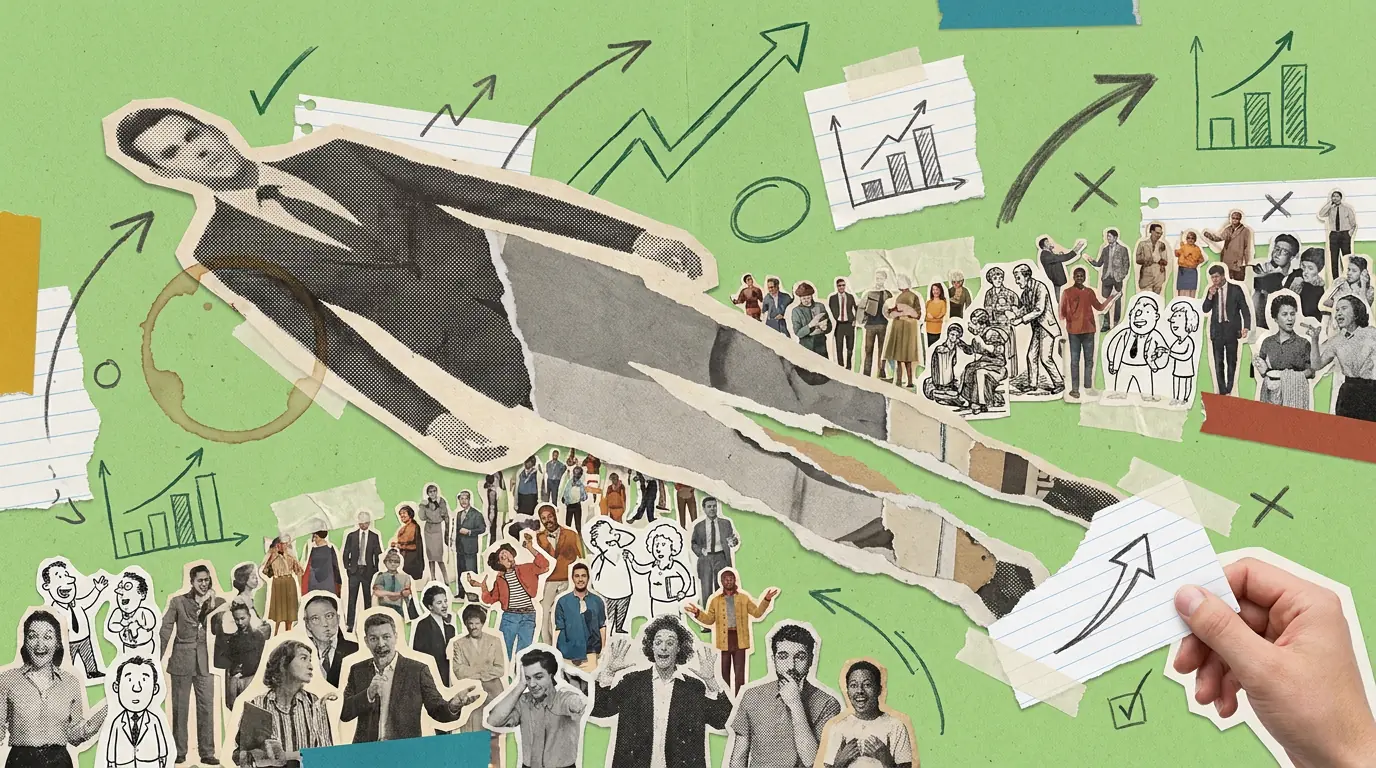
For most of the time I spent inside SaaS businesses, "scaling CS" was a conversation that happened after something had already gone wrong. The team was overwhelmed. The CSM-to-customer ratio had crept past any sensible number. The high-touch model that worked at fifty accounts was breaking at three hundred. And the question was: how do we handle more customers with the same number of people?
That framing (scaling as a response to capacity pressure) tends to produce poor solutions. Because when you're in crisis mode, you strip things down to what survives the immediate problem. The things that get stripped are often the things that were actually working.
The better question is: what does a scaled CS model look like, and at what point should you be building it before the pressure arrives?
What scaled CS actually means
Scaled CS (sometimes called digital CS, tech-touch CS, or low-touch CS depending on who you're talking to) refers to a delivery model that uses automation, self-serve resources, and pooled human contact to serve a larger number of accounts than is possible in a traditional one-CSM-per-account model.
The phrase gets used loosely, which causes confusion. "Scaled CS" is sometimes used to mean:
- A digital-only customer journey with no human contact (almost always too far)
- A tiered model where smaller customers get less CSM attention and more product-led support (usually the right direction)
- A set of automated touchpoints (health score alerts, onboarding sequences, milestone emails) that supplement human contact rather than replacing it (usually the most practical starting point)
These are different things. The first is a cost-cutting exercise dressed up as a strategy. The second and third are genuine approaches, but they require different infrastructure and serve different goals.
The version worth building is the one that defines what each customer segment actually needs from CS, and delivers that, rather than applying a high-touch model to everyone until the headcount runs out, and then cutting back indiscriminately.
The trigger: when does a scaled model become necessary?
There isn't a universal CSM-to-customer ratio that signals it's time to scale. The number that matters is the ratio at which your CSMs can genuinely execute your CS model: proactive outreach, QBRs (or whatever your equivalent is), renewal conversations, expansion discovery, without one of those things permanently falling off the list.
When something is permanently falling off the list, you're already in a reactive mode you may not have noticed. The first thing to go is usually proactivity. The CSM is still handling renewals and escalations, but the quarterly review cadence has quietly slipped. The expansion motion has stopped. Onboarding is still happening, but the 60-day check-in is now a 90-day check-in.
These aren't dramatic failures. They're the slow erosion of the model. And because retention doesn't immediately crater, the capacity problem can persist for a long time before leadership sees it.
The signal to watch isn't "we're overloaded." It's "we've quietly stopped doing the proactive things that keep churn low and expansion growing."
Building the model: segmentation first, tools second
The most common mistake in scaled CS implementations is buying the technology before defining the segmentation. A digital CS platform (whatever form it takes) is a delivery mechanism. It needs to deliver something. If you don't know what different customer segments need, the platform has no brief to execute against.
Segmentation for CS is not the same as segmentation for sales. Sales segments by revenue potential. CS segments by what a customer needs to achieve their desired outcome, and what kind of support they need to get there. Those dimensions often correlate, but not always.
A useful CS segmentation model answers: which customers need proactive human contact to be successful, and which customers can be successful with less? This isn't a question of which customers you can afford to give high-touch service to. It's a question of what actually drives outcomes for each segment.
Larger contract values often correlate with higher complexity, more stakeholders, and more dependency on CS, which is why enterprise customers typically stay in a high-touch tier. But a high-contract customer who is technically sophisticated and deeply embedded in the product may need very little proactive contact. And a small customer in a complex regulatory environment may need more than their contract value alone would justify.
Get the segmentation wrong and the scaled model serves the wrong customers in the wrong way.
What scaled CS looks like in practice
Once the segmentation is in place, a scaled model usually has three layers:
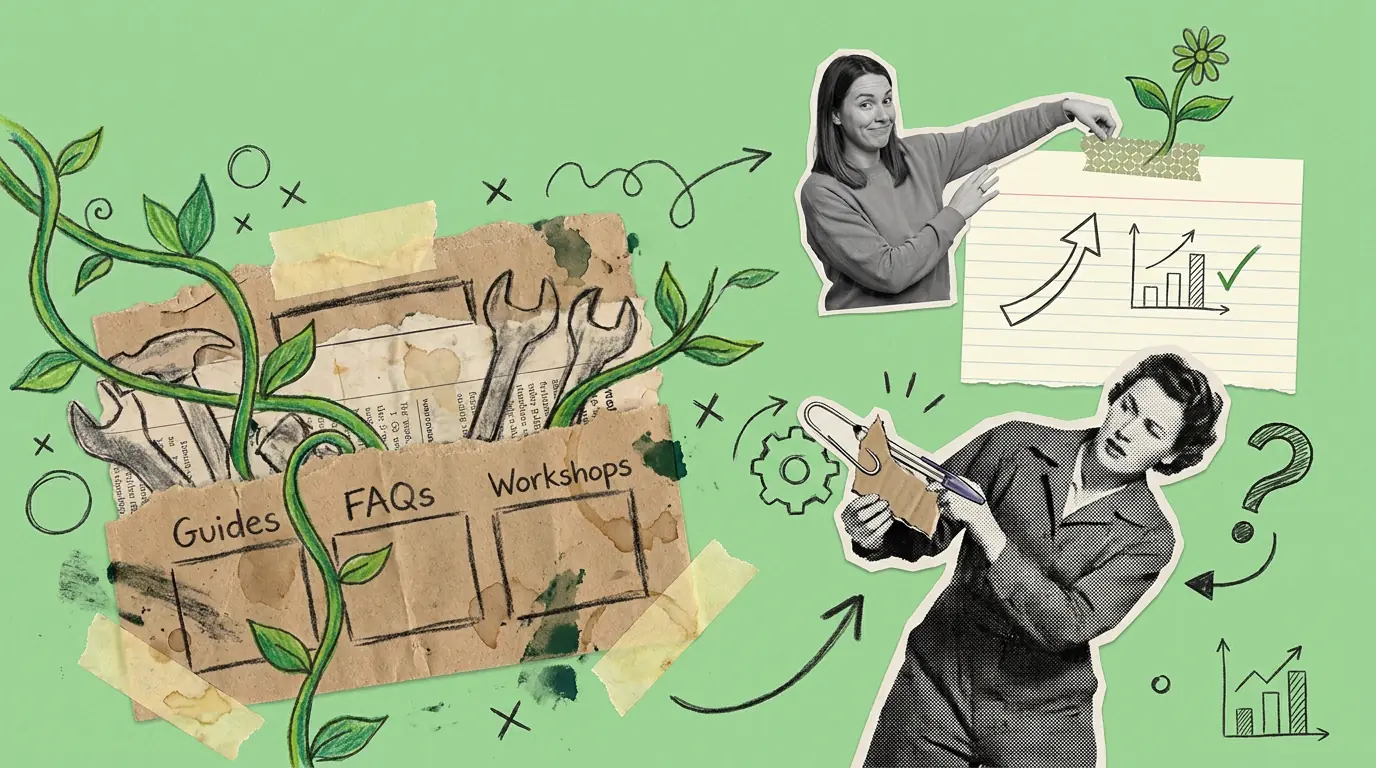
Product-led success. The product itself does some of what CS used to do: onboarding flows, in-app guidance, milestone celebrations, usage prompts. This doesn't replace CS; it extends the reach of CS into moments where human contact isn't available or necessary.
Automated touchpoints at defined moments. Not generic email sequences, but specific triggers tied to customer behaviour or lifecycle stage. A customer who hasn't logged in for 14 days gets a different message than one who has just reached a usage milestone. The automation is only as good as the data and logic behind it; this is where investment in the CS tech stack actually pays off.
Pooled human contact for the moments that matter. Rather than dedicated CSMs for every account, pooled teams handle the human touchpoints that automated channels can't: onboarding calls, escalations, renewal conversations, expansion discussions. The pooled model works when the triggers for human contact are well-defined and the team is equipped to handle customers they don't have an ongoing relationship with.
The combination of these three layers can serve significantly more customers than a high-touch model, not because the customers are getting worse service, but because the service is better calibrated to what they actually need.
The trap: scaled CS as a cost reduction
The operational logic of scaled CS (fewer CSMs per account, more automation, pooled contact) looks attractive to a CFO looking for efficiency. And there are genuine efficiency gains in a well-designed model.
But if scaled CS is pitched internally as "we're going to serve these customers with less," it will produce a model optimised for cost reduction rather than customer outcomes. The automation will be calibrated to reduce contacts, not to drive success. The pooled team will be understaffed. The product-led layer will be underfunded.
The right frame is: scaled CS lets us serve more customers well, not the same number of customers worse. The goal is to free up high-touch capacity for the accounts that need it, by developing a delivery model that genuinely serves the accounts that don't.
That's a different brief, and it produces a different result.
Where Pivotal Path comes in
We help CS leaders design and implement scaled models: the segmentation logic, the automation layer, the pooled team structure, and the metrics that tell you whether the model is working. The starting point is almost always the same (a high-touch model under capacity pressure), but the right solution is almost always a tiered model built around genuine customer needs, not just headcount maths.
If you're starting to feel the capacity pressure, it's worth having the conversation before the pressure becomes a crisis.
The short version. Scaled CS isn't a cost-cutting move, or it shouldn't be. The right version defines what different customer segments actually need, then builds a delivery model (product-led success + automated touchpoints + pooled human contact) calibrated to those needs. The trap is buying the technology before doing the segmentation. The trigger to start building isn't capacity crisis; it's the first moment you notice the proactive work quietly falling off the list.
Working on this in your business?
We help UK SMEs and scale-ups turn this kind of thinking into action.
Read next

Building CS Before You Have CS Ops: What to Do First

Why CSMs Burn Out, and What the CS Ops Infrastructure Has to Do With It

The CS Leader's First 90 Days: Why Fixing Things Too Fast Is the Fastest Way to Get Things Wrong

Customer Success Operations: The Next Evolution of Customer Success?

Account Planning: The CS Version Is Nothing Like the Sales Version